 UAE
 Saudi Arabia
 Qatar
 Bahrain
 Kuwait
 Oman
 Jordan
 UK
 USA
 Canada
 France
 Germany
 Italy
 Spain
 Switzerland
 Netherlands
 Belgium
 Austria
 Ireland
 Portugal
 Greece
 Monaco
 Luxembourg
 Denmark
 Sweden
 Norway
 Finland
 Poland
 Czechia
 Slovakia
 Hungary
 Romania
 Croatia
 Türkiye
 India
 China
 Hong Kong
 Macau
 Taiwan
 Japan
 Singapore
 Malaysia
 Thailand
 Vietnam
 Cambodia
 Indonesia
 Australia
 New Zealand
 South Africa
 Kenya
 Algeria
 Tunisia
 Mexico
 Brazil
 Argentina
 Chile
 Egypt
 Lebanon
 Iraq
Dubai to Oman by road: the short version
Oman is the only country you can reach from Dubai by car in a morning, and the drive is one of the most scenic in the Gulf. It does, however, involve a genuine international border, with passport, visa and vehicle rules on both sides. This guide explains how the crossings work, what to carry and how a private chauffeur fits into the journey.
Three points answer most questions before they are asked. First, Hatta is not in Oman. Hatta is a town in the emirate of Dubai, set in the Hajar Mountains a short distance from the frontier, so a Hatta day trip is a domestic journey with no border formalities; it is covered on our intercity chauffeur page for every emirate. Second, the Hatta border crossing itself (the UAE post at Hatta and the Omani post at Al Wajajah) is the crossing most people mean when they search for the "Oman border" from Dubai. Third, cross-border chauffeur journeys are never automatic. Whether a particular car and chauffeur can take you into Oman depends on the vehicle, its insurance and the permissions required at the time, and our dispatch team confirms all of that before you book.
Border procedures, visa schemes and fees are set by the authorities and change from time to time. Where this page describes how a crossing generally works, treat it as background and check the current position with the Royal Oman Police on the Omani side and the UAE's Federal Authority for Identity, Citizenship, Customs and Port Security (ICP) before you travel.
The main UAE–Oman border crossings
The UAE and Oman share a long land frontier with several official road crossings. Some are open to every traveller who meets the entry rules; others have, at various times, been reserved for UAE, Omani and other GCC citizens. The table summarises the crossings that matter for journeys from Dubai, with distances and times given as approximate, traffic-dependent guides.
| Crossing (UAE side / Oman side) | Nearest UAE town | Leads to | Approx. drive from Dubai to the border | Who can use it |
|---|---|---|---|---|
| Hatta / Al Wajajah | Hatta (Dubai) | Al Batinah coast, Sohar, Muscat | About 1 h 30 | Generally reported as open to all nationalities who meet Oman's entry rules |
| Mezyad / Hafeet | Al Ain (Abu Dhabi) | Ibri, Nizwa and the Omani interior | About 1 h 45 to 2 h | Generally reported as open to all nationalities |
| Khatmat Malaha | Kalba / Fujairah coast | Shinas, Sohar and the Batinah coast | About 2 h | Status for visitors unconfirmed; check before travel |
| Al Darah / Tibat | Ras Al Khaimah (Shaam) | Musandam: Bukha and Khasab | About 2 h | Main road route into Musandam; check current visitor rules |
| Hili / Al Buraimi | Al Ain city | Al Buraimi | About 1 h 30 | Historically restricted to GCC citizens; check before travel |
Access rules at individual posts have changed more than once over the years, and we have not been able to confirm the current visitor status of every crossing from an official source. If your plan depends on a particular post, check it with the Royal Oman Police and the ICP for your nationality and residency, and tell our dispatch team which crossing you intend to use.
Hatta / Al Wajajah
For most journeys from Dubai to the Batinah coast and Muscat, this is the natural route. The UAE exit post sits beyond the town of Hatta, and the Omani post at Al Wajajah is a short drive further on. As the busiest crossing, it is also the one most likely to see queues on public holidays and long weekends.
Mezyad
The Mezyad border post lies on the southern edge of Al Ain, close to the foot of Jebel Hafeet. It is the usual crossing for travellers heading inland to Ibri, Nizwa and the mountain areas of the Omani interior, and some drivers bound for Muscat prefer it when the Hatta route is busy.
Khatmat Malaha
On the east coast, south of Kalba, Khatmat Malaha links the Fujairah and Sharjah coastline with the Omani towns of Shinas and Sohar. We could not confirm its current status for non-GCC visitors from an official source, so treat it as a crossing to check rather than one to assume.
Al Darah / Tibat
The road to Musandam leaves the UAE north of Ras Al Khaimah at the Al Darah post and enters Oman at Tibat. Musandam is physically separated from the rest of Oman by UAE territory, so this crossing serves the peninsula only; you cannot continue south to Muscat from here.
Hili and the Buraimi border
Al Ain and the Omani town of Al Buraimi grew up side by side, and the Hili crossing sits between them. Over the years, access at Hili and neighbouring Buraimi posts has been restricted at different times to GCC citizens, with residents and visitors directed to other crossings such as Mezyad. If you are searching for the "Buraimi border" or the "Al Ain Oman border crossing", start with Mezyad and confirm whether any Buraimi post is open to you on the day.
Hatta: a Dubai town near the border, not a border town in Oman
Hatta causes more confusion than any other place on this route. Although it sits deep in the Hajar Mountains and the drive passes close to the frontier, Hatta is an exclave of the emirate of Dubai. You can visit Hatta Dam, the heritage village and the mountain trails without a passport check, a visa or any Omani insurance, because you never leave the UAE.
The road from Dubai to Hatta is a UAE road, and your chauffeur uses the route that applies to the passengers on board. Seasonal activities, trails and event dates are published on the official Visit Hatta website. If Hatta is your actual destination, book it as a domestic trip through our Dubai intercity chauffeur service and none of the cross-border requirements on this page apply.
Documents for crossing into Oman
Every traveller and every vehicle needs the right papers, so check the list below against your own situation well before the trip.
Passports and visas
- Passport. Every passenger needs a valid passport. Many travel advisories recommend at least six months' validity; GCC citizens may be able to use a national ID card instead.
- Oman visa. Oman's rules depend on your nationality and on whether you hold UAE residency. Some travellers qualify for visa-free entry or a visa on arrival at the land border, while others must apply for an eVisa before travelling. The official channel is the Royal Oman Police eVisa portal, which shows the options for your nationality.
- UAE status. UAE residents should carry their Emirates ID and make sure their residence visa remains valid for the return. Visitors on a UAE tourist visa should check how leaving and re-entering by land affects their visa; the UAE's official visa and Emirates ID guidance on u.ae and the ICP are the places to confirm this.
Vehicle documents and insurance
If you are travelling with us, the vehicle side is our responsibility, but it helps to know what is involved, because it explains why we confirm cross-border journeys individually.
- Insurance valid in Oman. A UAE car must carry insurance that is valid in Oman, either as an extension of its UAE policy or through what is commonly called an Orange Card. Basic third-party cover can usually be bought at the border, but it does not cover damage to the vehicle itself.
- Registration. The vehicle's registration card (mulkiya) must travel with the car.
- Owner's permission. A vehicle that is financed, leased or registered to someone other than the driver normally needs a no-objection certificate (NOC) from the owner or bank allowing it to leave the country.
- Commercial passenger rules. A chauffeur-driven vehicle carrying paying passengers across an international border can be subject to further transport permissions on both sides. These are exactly the "permissions required at the time" that our dispatch team checks before confirming a cross-border booking.
Fees
A UAE exit fee is charged per person when leaving by land, and visa or insurance charges may apply on the Omani side. Amounts and payment methods change, so check current fees with the ICP and the Royal Oman Police before you set off and carry a payment card.
What happens at the border, step by step
The process is similar at the main crossings, although layouts differ.
- UAE exit post. Passengers' passports are checked and the exit is recorded. The UAE exit fee is paid here.
- The stretch between the posts. At some crossings, such as Hatta and Al Wajajah, there is a short drive between the UAE and Omani posts.
- Omani immigration. Passports are checked and visas issued or verified. Travellers with an eVisa should have it ready, printed or on their phone.
- Customs and vehicle check. Omani officers check the vehicle documents and insurance, and may inspect luggage. Declare anything you are unsure about.
- The return. Coming back, the order reverses: Omani exit formalities, then UAE entry, where passports or Emirates IDs are checked again.
How long does it take?
On a quiet weekday morning, the formalities can be straightforward. Around public holidays such as Eid and the National Day weekends, and on Thursday and Friday afternoons, queues build at the busiest crossings, and some travellers report slower processing late at night. Build generous slack into any plan that includes a flight, a dhow departure or a hotel check-in on the other side.
Dubai to Musandam: Khasab and the fjords
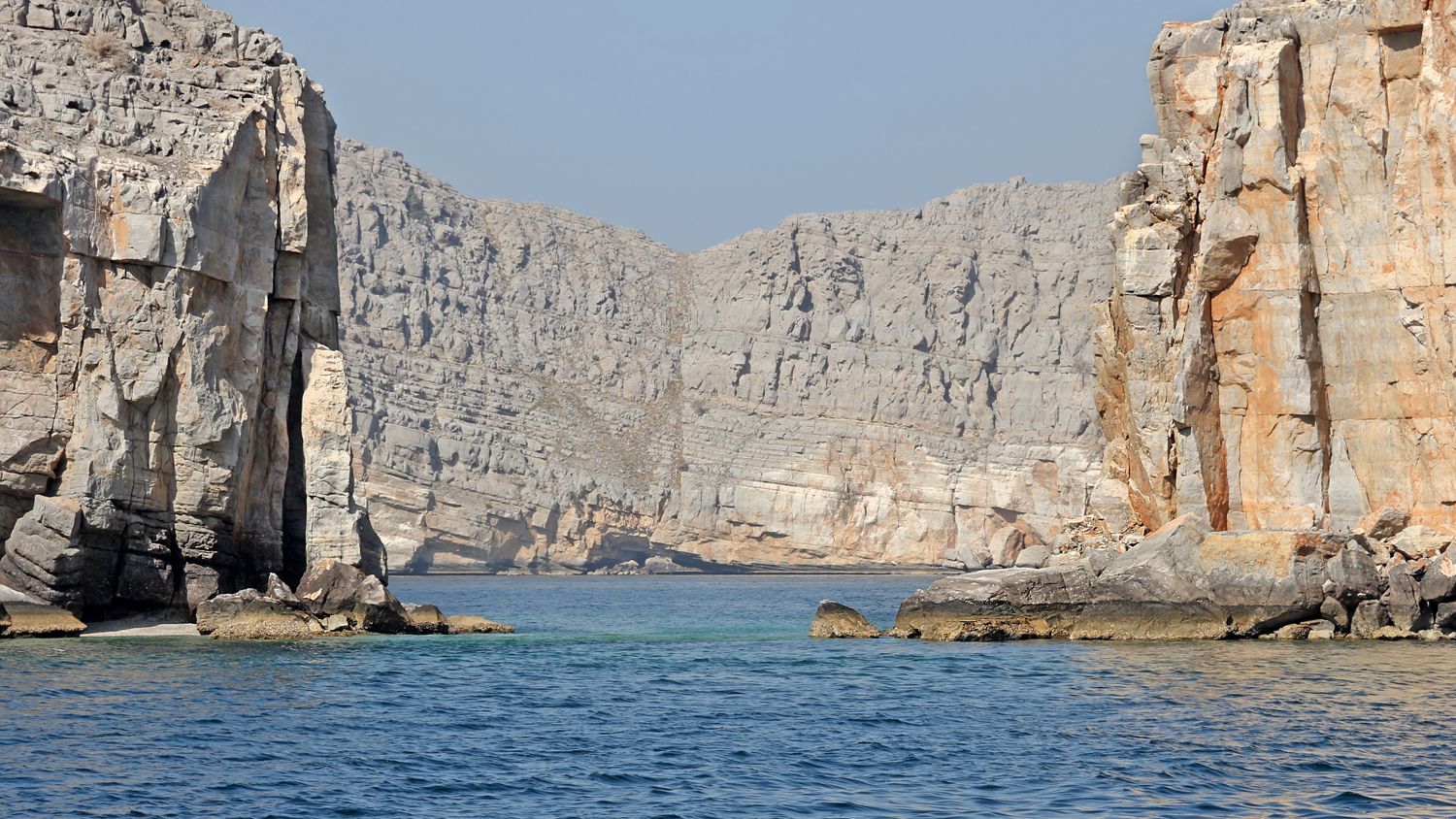
Musandam is the rugged Omani peninsula that points into the Strait of Hormuz, separated from the rest of Oman by UAE territory. Its deep inlets, often called the fjords of Arabia, are best seen on a traditional dhow cruise from Khasab harbour, with stops for swimming and snorkelling in clear water below sheer limestone cliffs.
The route
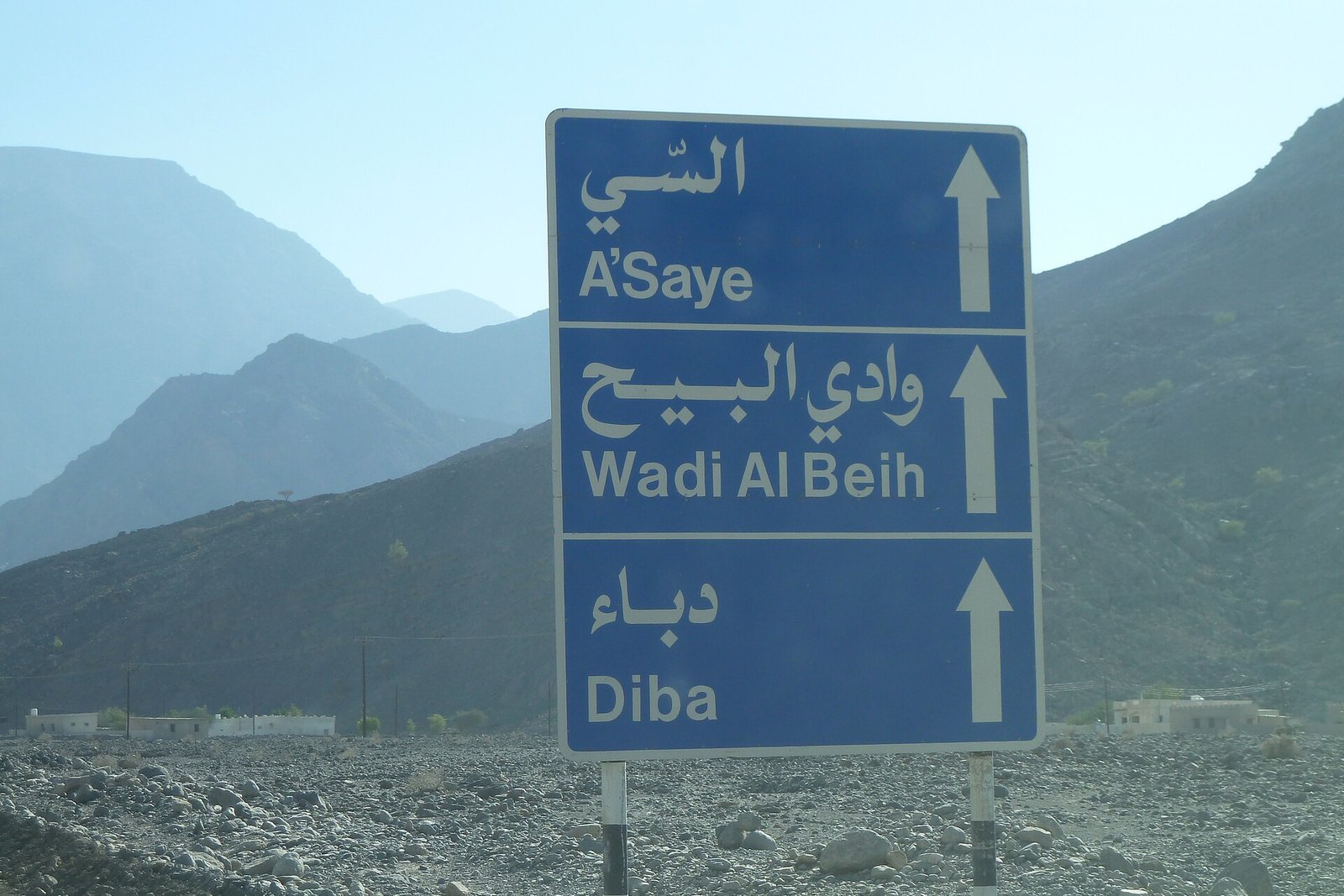
The usual road route from Dubai runs north through Ras Al Khaimah to the Al Darah border post, crosses into Oman at Tibat, then follows the coast road through Bukha to Khasab. From Dubai, allow roughly three hours to Khasab before border time, depending on traffic and where you start. The mountain track through Wadi Bih is not a through-route to Khasab for most visitors, so plan on the coastal road.
Dibba
On the east coast, the town of Dibba is split between the UAE and Oman, and its Omani side is part of Musandam. Dhow trips and resort stays in this southern part of the peninsula have used a separate local crossing, with access conditions that have varied for non-GCC visitors over the years. If your Musandam plan starts from Dibba, confirm the current arrangement with your dhow operator or hotel and with our dispatch team.
Making a day of it
A Dubai to Musandam day trip is long but achievable: an early departure, the border, a morning or half-day dhow cruise, and a return to Dubai in the evening. Many travellers prefer a night in Khasab and a relaxed two-day outing. Either way, the timings work best when the chauffeur stays with you, which is where hourly and full-day booking comes in (see below).
Dubai to Muscat by car
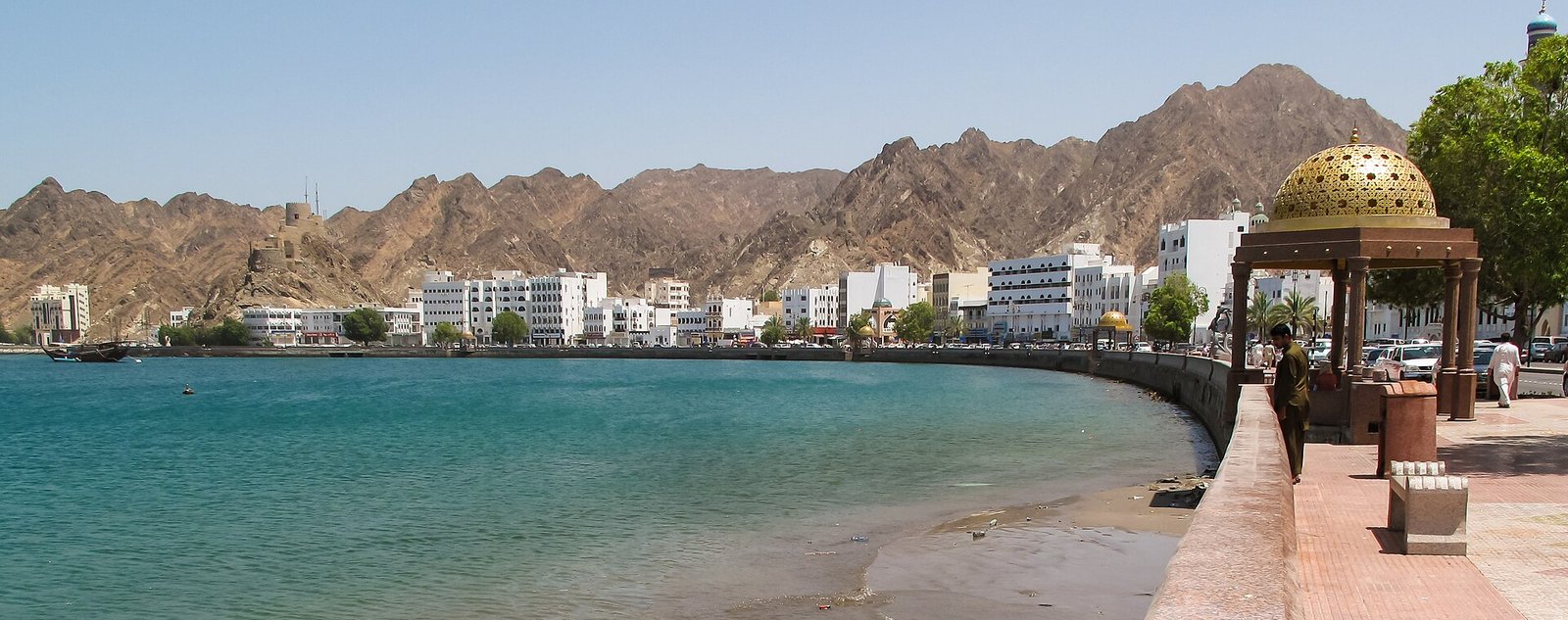
Driving from Dubai to Muscat is a full day's journey through some of the region's most varied landscapes: the desert east of Dubai, the Hajar Mountains around Hatta, and the long, green Batinah coast through Sohar towards the capital.
Route and timing
The most direct route crosses at Hatta and Al Wajajah, then follows the Batinah Expressway down the coast to Muscat. The total distance is roughly 420 to 450 km from central Dubai, and the drive usually takes five to six hours plus border time. An alternative runs through Al Ain and the Mezyad crossing towards Ibri and Nizwa, which is longer but takes in the mountain towns of the interior.
What to see on arrival
Muscat rewards a stay of at least two nights: the Sultan Qaboos Grand Mosque, the Mutrah Corniche and souq, the Royal Opera House and the old walled quarter around the Al Alam Palace. The official Visit Oman tourism site has current opening times and seasonal events. For a quicker trip, many travellers fly one way and drive the other; our Dubai International airport transfer can meet you on your return flight.
Our Dubai to Oman chauffeur service
ChauffeurDXB.com plans chauffeur-driven journeys to and through the UAE–Oman border on request. Every cross-border journey is subject to the vehicle, insurance and permissions required at the time, and our dispatch team confirms before booking. We never promise that a cross-border trip is possible until those details have been checked for your route, dates, passengers and vehicle class.
How it works
- Tell us the plan. Send your route, crossing, dates, number of passengers, luggage and nationalities through our 24/7 dispatch contact page.
- We check what applies. Dispatch confirms whether a suitable vehicle with valid cover and the necessary permissions is available for that journey, and tells you what each passenger needs to carry.
- You book. Once the journey is confirmed, your fixed, all-inclusive fare is shown in the booker before you confirm. No surprises at the border.
If a cross-border car is not available
Sometimes a specific vehicle, date or crossing will not work. When that happens we tell you before you book and suggest a realistic alternative, such as a Hatta or Al Ain day trip within the UAE, or a Ras Al Khaimah and Fujairah itinerary that delivers mountains and coastline without a border.
Choosing the car
For a long border day, comfort counts. Couples and executives often choose a first-class sedan, families and small groups prefer the space of the Standard SUV or Executive Black SUV, and larger groups can travel together in the Sprinter Van. Typical passenger and luggage guidance is on our chauffeur fleet page, and corporate travel teams can arrange accounts through our corporate chauffeur service. Any vehicle class is subject to the cross-border confirmation above.
Ready to plan? Book your chauffeur for the UAE leg of the journey in the booker, or message dispatch first if the trip crosses into Oman.
Book by the hour or full day for Hatta, Musandam and border trips
Border days rarely run to a neat timetable, which is why most clients book their chauffeur by the hour or for a full day rather than a one-way transfer. With an hourly chauffeur booking in Dubai, the car and chauffeur stay with you for the whole time you have booked, so the day can flex around queues, lunch and the sights.
- Waiting at the border. Time spent in queues and at passport control is simply part of the booked hours, so a slow crossing does not mean a missed connection or a second booking.
- Stops along the way. Break the journey at Hatta Dam, Al Ain Oasis or the Ras Al Khaimah coast, take photographs on the mountain roads, or stop for lunch without watching the clock.
- Same-day return. For a Musandam dhow cruise or a Hatta day in the mountains, the chauffeur waits while you are out and drives you back to Dubai the same evening.
- Multi-day trips. For a Muscat stay, ask dispatch about keeping the chauffeur for consecutive days or arranging the return leg separately.
Hourly hire has a 3-hour minimum for every vehicle class, and extra time can be requested. For domestic days such as Hatta, you can book directly; for anything that crosses into Oman, confirm with dispatch first and then complete the booking. Read more about how full-day chauffeur hire works, including waiting and stops.
Planning checklist for an Oman road trip
- Check the crossing. Confirm that the post you plan to use is open to every passenger's nationality and residency status.
- Visas first. Apply for any Oman eVisa in good time, and check the effect of a land exit on any UAE visit visa.
- Carry originals. Passports, Emirates IDs for residents, and printed or digital visa approvals.
- Allow for queues. Avoid tight connections on holiday weekends, and leave early on Musandam days.
- Weather. The cooler months from late autumn to early spring are the most comfortable for fjord cruises and mountain stops; summer midday heat is intense.
- On board. Alcohol stays off every vehicle, including across the border, under UAE law and our company rules. Child seats are available on request when you book, and pets travel by prior approval only.
- Cancellation. Charges count back from the scheduled pickup: nothing beyond 72 hours, 10 per cent at 72 hours or less, 50 per cent at 48 hours or less, and 100 per cent at 24 hours or less or for a no-show. Full details are in our booking terms.
Need flights or a hotel in Muscat or Khasab to go with the drive? Our travel desk for flights, hotels and activities can help. For a business trip to the capital instead, see the Dubai to Abu Dhabi chauffeur page, and for everything else, the chauffeur service FAQ.