 UAE
 Saudi Arabia
 Qatar
 Bahrain
 Kuwait
 Oman
 Jordan
 UK
 USA
 Canada
 France
 Germany
 Italy
 Spain
 Switzerland
 Netherlands
 Belgium
 Austria
 Ireland
 Portugal
 Greece
 Monaco
 Luxembourg
 Denmark
 Sweden
 Norway
 Finland
 Poland
 Czechia
 Slovakia
 Hungary
 Romania
 Croatia
 Türkiye
 India
 China
 Hong Kong
 Macau
 Taiwan
 Japan
 Singapore
 Malaysia
 Thailand
 Vietnam
 Cambodia
 Indonesia
 Australia
 New Zealand
 South Africa
 Kenya
 Algeria
 Tunisia
 Mexico
 Brazil
 Argentina
 Chile
 Egypt
 Lebanon
 Iraq
Owner-operators: one executive vehicle, one professional, one standard
An owner-operator is the smallest complete chauffeur business there is: one late-model executive vehicle, one licensed professional behind the wheel, and a reputation built trip by trip. This page is for that professional. It explains what the ChauffeurDXB network expects from an owner-operator, how the work fits around the clients you already have, and what you need in place before you apply for the USD 30 per month owner-operator membership.
The network was built for exactly this kind of operator. Large fleets are useful for volume, but a great deal of executive work in Dubai is won and kept by individuals who know their car inside out, keep it immaculate, and treat each passenger as though they will book again next month, because very often they do. If that describes you, read on. If you run several vehicles and employ chauffeurs, the limousine company and fleet owner page is the better starting point.
What counts as an owner-operator in Dubai
The phrase means different things in different countries, so it helps to be precise about the UAE. In Dubai, the Roads and Transport Authority treats chauffeur and limousine work as passenger transport by luxury vehicles, and it grants the permit for that activity to licensed establishments rather than to private individuals acting alone. The chauffeur also needs a personal RTA permit to work as a luxury vehicle driver, linked to the establishment they work through.
In practice, owner-operators who join our network usually fall into one of two groups:
- Single-vehicle establishments. You hold a commercial licence and the RTA permit for luxury passenger transport through your own small company, the vehicle is registered and permitted for that work, and you are both the owner and the chauffeur.
- Owner-drivers working through a licensed operator. You drive your own executive vehicle under the licensing and permit arrangements of an RTA-licensed limousine company, where the RTA's rules allow that arrangement and the paperwork shows it clearly.
Either way, the test we apply is the same: the vehicle must be lawfully registered and permitted for paid passenger work, the chauffeur must hold the permits the RTA requires at the time you apply, and the insurance must cover commercial passenger use. A privately registered car does not qualify, however new or well kept it is, and we do not offer work to anyone who would be carrying passengers outside the rules.
What you need before you register
An owner-operator application moves quickly when the essentials are ready. You will be asked for the details below on the application form, and for clear copies of the supporting documents. Our partner documents checklist describes each item and the format we need.
| Area | What we look for |
|---|---|
| Business | The commercial licence of the establishment you operate through, and its RTA permit for luxury vehicle passenger transport |
| Chauffeur | A valid UAE driving licence for the vehicle category, your RTA luxury vehicle driver permit, and your Emirates ID |
| Vehicle | Registration showing the vehicle is permitted for the work, the make, model and model year, and recent photographs inside and out |
| Insurance | A current policy covering commercial passenger transport for the listed vehicle |
| Experience | Years of professional driving, the areas and emirates you know well, and the languages you speak |
General information on obtaining and converting a licence is on the federal portal's guide to getting a driving licence in the UAE. The professional permit is a separate step: the RTA explains that the affiliated company applies on the RTA website and the driver completes registration in the RTA's Dubai Drive app, after which the digital permit is issued instantly. Any training, testing or medical requirements are as the RTA requires at the time you apply.
Choosing the vehicle you bring to the network
The single most important commercial decision an owner-operator makes is the vehicle. It decides which bookings you can take, how often, and how passengers judge you before you have said a word. The network standard is late-model: within four model years, or seven for Rolls-Royce, Bentley and Maybach, clean, mechanically sound and insured for commercial passenger use. Within that rule, the right car depends on the work you want.
Business sedans
The workhorse of executive chauffeuring. A black or dark-grey business sedan is booked for airport runs, single-passenger corporate trips and hourly days of meetings. Demand is broad and steady, and the running costs are the most manageable of any class.
First-class sedans
The S-Class tier and its equivalents carry senior executives, VIP arrivals and clients who want rear-seat comfort for a long day or a trip across the emirates. Bookings are fewer than for business sedans but each one asks more of the car and the chauffeur.
Luxury SUVs
Escalade, Yukon Denali and similar SUVs suit families, small teams and passengers with luggage, and they are popular for the drive to Abu Dhabi and to the mountains and the east coast. Ground clearance and boot space make them versatile.
Executive vans
A V-Class or comparable van in executive configuration carries up to a typical group of six or seven with luggage. Vans are in demand for airport groups, roadshows and exhibition weeks, and they are the most flexible vehicle an owner-operator can run.
Flagship vehicles
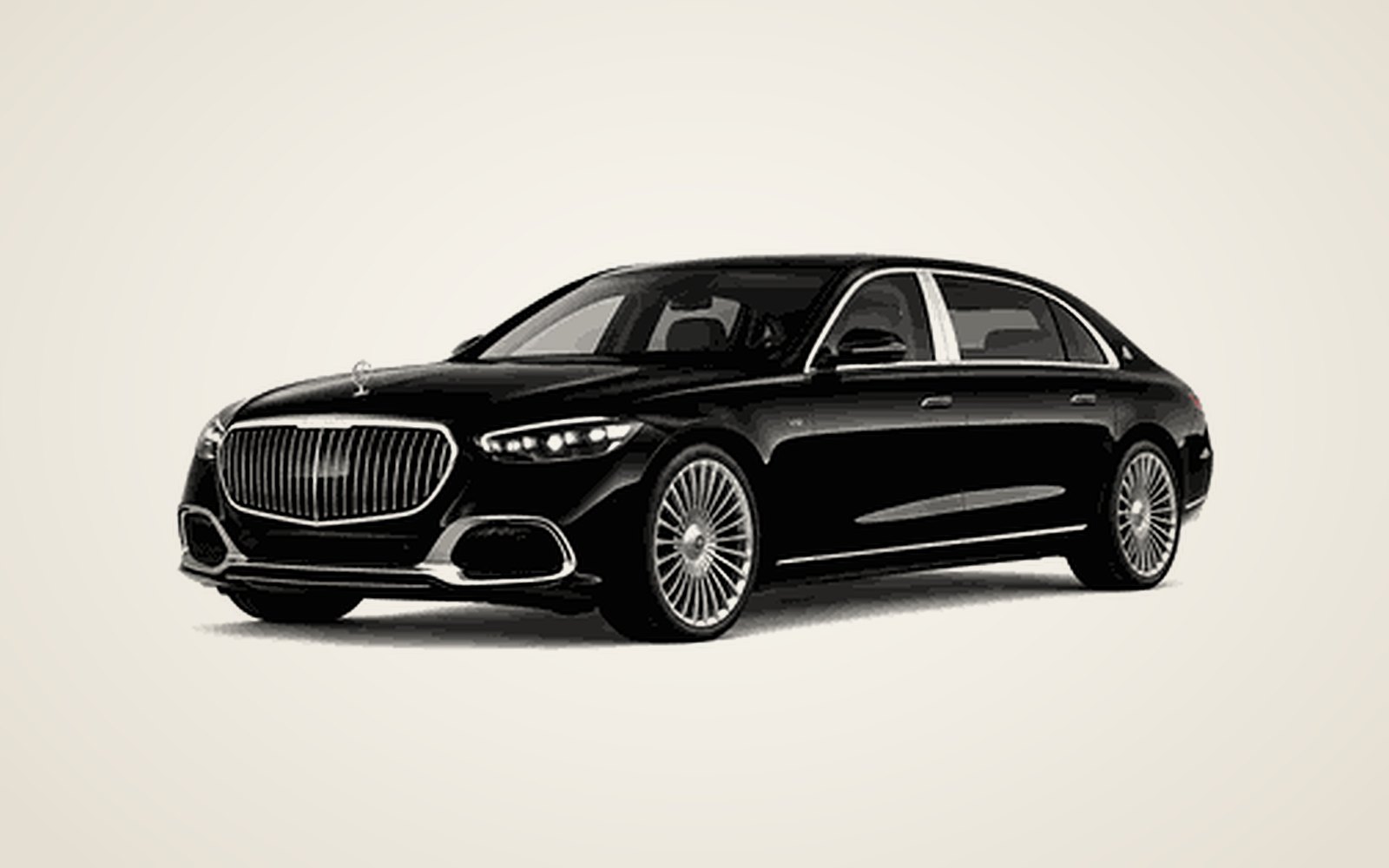
A small number of owner-operators run a Rolls-Royce, a Bentley or a Maybach. These cars are booked for VIP arrivals, milestone occasions, film and television productions and clients who simply want the best car in the city, and they are the reason the network's age rule stretches to seven model years for these marques. Flagship bookings come through our Rolls-Royce with chauffeur service and our corporate chauffeur accounts, and they carry the highest expectations of presentation and discretion of any work in the network. If you run a flagship car, say so on your application and include detailed photographs of the rear cabin.
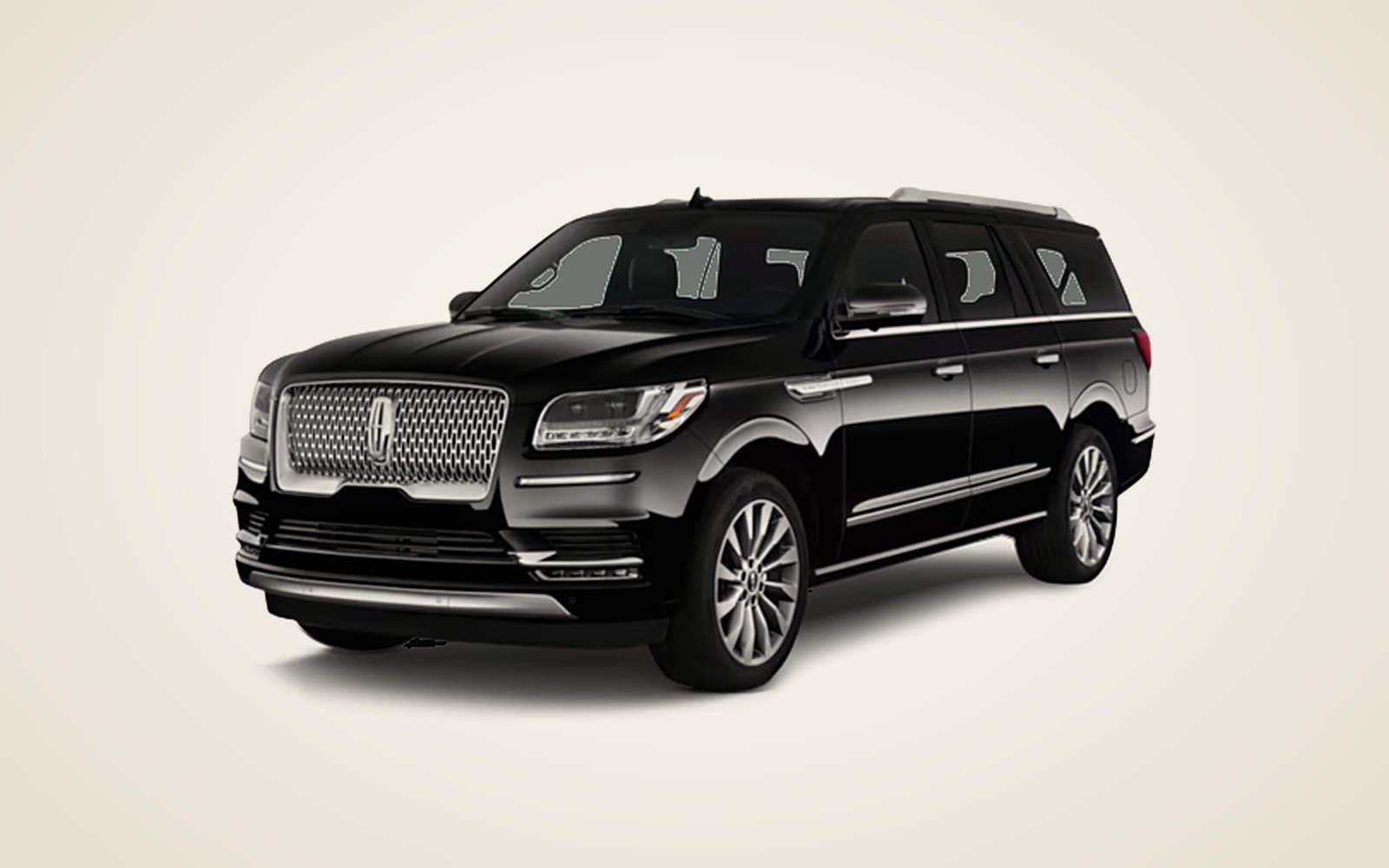
Whatever you drive, list it accurately. We place vehicles into the classes our passengers book on the chauffeur fleet page, and a vehicle described as one class but presented as another is the quickest way to lose a client's trust. Full detail on accepted models, colours and cabin condition is on the partner vehicle requirements page.
How network work fits around your own clients
Most owner-operators already have regular clients: a family that books every school holiday, a company that uses them for visiting directors, a hotel concierge who calls on busy weekends. Joining the network is not meant to replace any of that. It is meant to fill the gaps.
You set your availability
Tell us the hours and days you are usually free, and the areas you cover. Offers that reach you are matched to those windows. If your own client books you for the afternoon, you simply decline or do not receive the network offer for that time.
No minimums either way
There is no minimum number of trips you must accept to keep your membership, and no minimum number we promise to send. The flat monthly fee is the whole commitment. That keeps the relationship honest: you take the work that suits your calendar, and the work that reaches you is work that matches your vehicle.
Your clients stay yours
Passengers you carry for us are ChauffeurDXB clients for that trip, and you do not solicit them for private work. The reverse also holds: we have no claim on clients you found yourself. Clear lines on both sides are what make a network workable over years rather than months.
A typical owner-operator trip, start to finish
It helps to see how a single job runs. Take a weekday evening arrival at Dubai International, booked as a first-class sedan transfer to a hotel in DIFC.
- The offer. A brief arrives with the flight number, terminal, passenger name, luggage count, the meet-and-greet request and the hotel address. You accept it.
- Preparation. Before you leave home, you check the flight status, fuel and the cabin: water, tissues, phone chargers, the temperature set cool, the car spotless.
- Arrival. You track the flight as it lands, park where airport rules allow, and wait in the arrivals hall with a name board that shows the passenger's name and nothing else.
- The drive. You take the luggage, lead the passenger to the car, confirm the destination and drive smoothly to DIFC, leaving conversation to the passenger's lead.
- Completion. You see the passenger into the hotel lobby, close the trip as instructed, and the job is settled under the terms on how partner work is paid.
The same rhythm applies to an hourly day of meetings, a Dubai to Abu Dhabi chauffeur run or a family day out. The brief does the planning; you do the delivering.
Airport work for owner-operators
Airport transfers are the backbone of executive chauffeuring in Dubai, and they reward the owner-operator who is organised. Dubai International handles traffic across three terminals, with Emirates flights concentrated at Terminal 3, and Al Maktoum International at Dubai World Central is the city's second airport. The Dubai Airports website carries live flight information that every chauffeur should check before setting off.
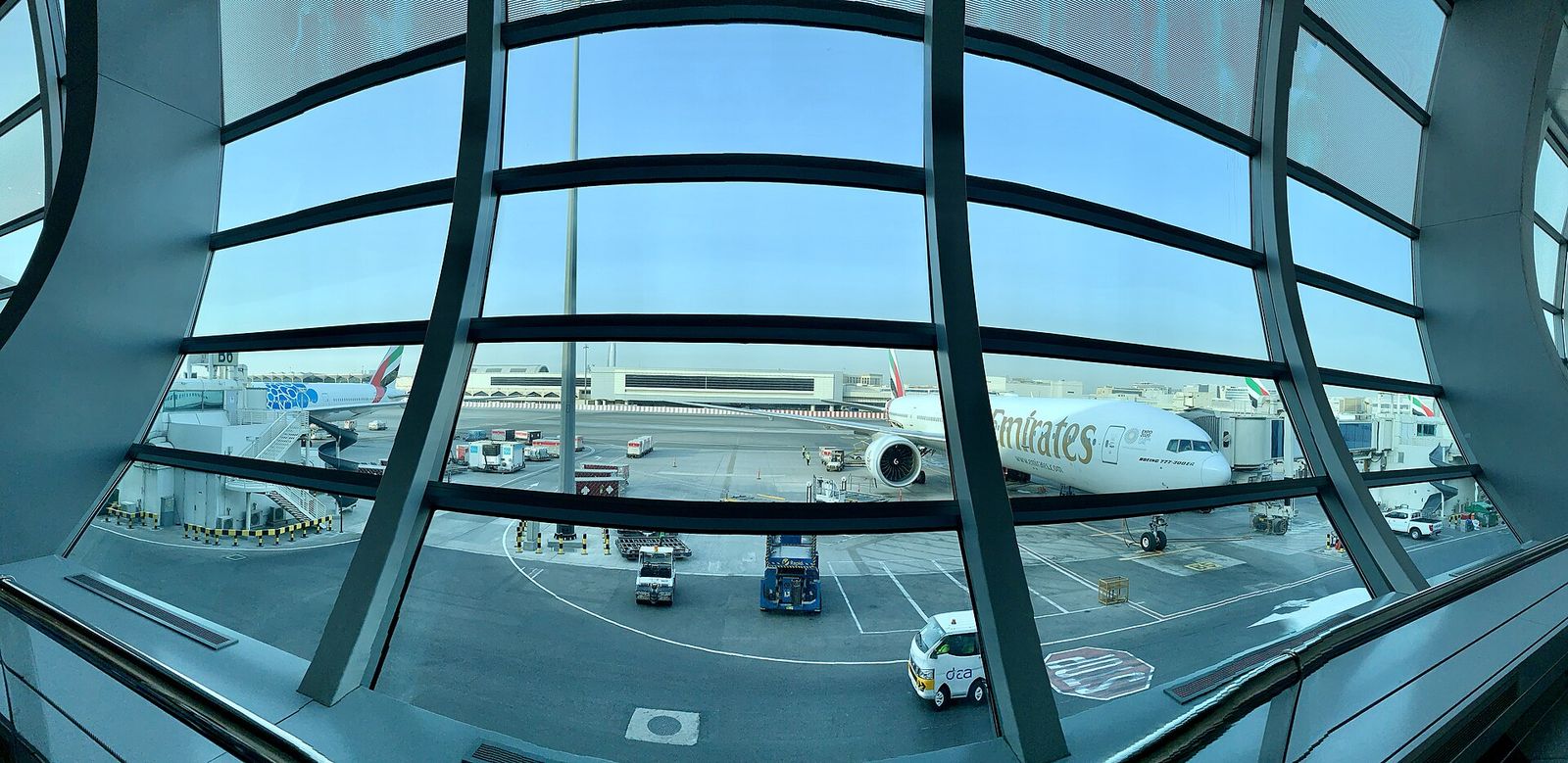
Our passengers are promised flight tracking, so the pickup moves with the actual landing time, and an included waiting time that is shown to them in the booker. Owner-operators who take airport work honour both without exception. Meet and greet is added by the client when booking; when it has been requested, it is done properly, inside the arrivals hall, at the right door, with a clean and legible board. Our passenger-facing Dubai airport transfer page describes the service your passenger has been told to expect.
Airport work also brings early starts and late finishes. Long-haul banks arrive in the small hours as often as in the afternoon, and owner-operators who are comfortable with 4 a.m. collections tend to receive more airport offers simply because fewer people want them.
Presentation, conduct and the passenger's view
For a passenger, the owner-operator is the brand. They never see a dispatch office, only you and your car. The network's full code is on the affiliate standards page, but the points that matter most for a one-person business are these.
- Formal business dress on every trip: a dark suit, a collared shirt, clean shoes.
- A cabin that is clean, cool, odour-free and empty of personal items before every pickup.
- Calm, smooth driving that lets a passenger read, work or sleep.
- No alcohol on board under any circumstances. It is against UAE law and our company rule, and passengers are told so when they book.
- Discretion. Many of our clients book under our NDA and Privacy Protocol, and owner-operators carrying them treat names, conversations and destinations as confidential.
- Phones used hands-free and only when necessary, and never for personal calls with a passenger on board.
Staying compliant, and what holds applications up
Approval is not a one-off event. Licences, permits, registration and insurance all expire, and a single lapsed document takes a vehicle out of the network until it is renewed. Owner-operators who stay in good standing tend to do three things.
Keep a renewal calendar
Note the expiry date of the commercial licence, the RTA permits, the vehicle registration and the insurance policy, and renew early. Upload the renewed copy as soon as you have it so that offers continue without interruption.
Plan the vehicle's age
The four-year rule (seven for Rolls-Royce, Bentley and Maybach) means every owner-operator eventually replaces their car. Plan the replacement a season ahead, and remember that any limits the RTA sets on the age of vehicles used in the activity apply as well; where the RTA's rule is stricter, it is the one that counts.
Keep good records
Running a licensed establishment in the UAE carries its own obligations to the licensing authority. The federal portal's overview of doing business on the mainland is a sensible starting point, and an accountant familiar with transport businesses is worth their fee.
Avoid the common hold-ups
Most delays come from a short list of avoidable problems:
- A vehicle registration that does not match the establishment named on the RTA permit.
- Insurance that covers private use only.
- Photographs that are dark, cropped or old, or that do not show the rear cabin.
- An expired permit or a driving licence for the wrong category.
- A vehicle older than the network's age rule.
Fix these before you apply and the review is usually straightforward. If something is unclear, ask through the contact page before submitting rather than after.
Your next step
If your licences, permits, vehicle and insurance are in order, the next step is the owner-operator application. Choose the owner-operator plan, complete the vehicle details, upload your documents and tick to accept the USD 30 monthly membership, which is billed only after approval. If you would rather see the network from the passenger's side first, you can book a chauffeur in the booker below and judge the brief, the communication and the standard for yourself. For the wider picture of the programme, return to the Drive With Us overview.